The Heart of Innovation – Genetics, Time and Climate Adaptation
Interviewee: Dr Laura Casella
The Overall Vision: The Logic of Trade-Off
How are scientific priorities balanced in an era of climate crisis?
Dr Casella’s answer reveals a central truth: innovation is never the maximisation of a single trait, but a delicate exercise in equilibrium. The objective is to deliver “a good compromise among all these components.”
The reasoning is straightforward. In Europe, organoleptic quality is a non-negotiable prerequisite. At the same time, farmers need “significant yield potential” to ensure economic sustainability. Added to this is the need to respond to “continuous climate change”, which requires high levels of robustness in order to guarantee stability across diverse environments.
Time and Structure: Why Biology Does Not Hurry
The 10–12 years required to develop a new variety are not the result of bureaucracy, but of strict genetic laws.
Dr Casella explains that the first phase lasts “five or six generations” and is “indispensable.” The reason is genetic. An initial cross generates “enormous variability, which is the ground on which selection operates.” However, it is self-fertilisation—not selection itself—that restores homozygosity at the various loci.
A cross between two stable rice varieties produces heterozygosity at multiple loci. Successive generations of self-fertilisation (generally five to six) are required to progressively return these loci to homozygosity. It is during these generations that selection takes place.
After five to six generations, most loci are homozygous and the line becomes uniform and stable—a pure line. Only then does the validation phase begin, during which the plant must “leave the research centre” and face real-world conditions.
Acceleration: The Real Purpose of Uruguay and Molecular Markers
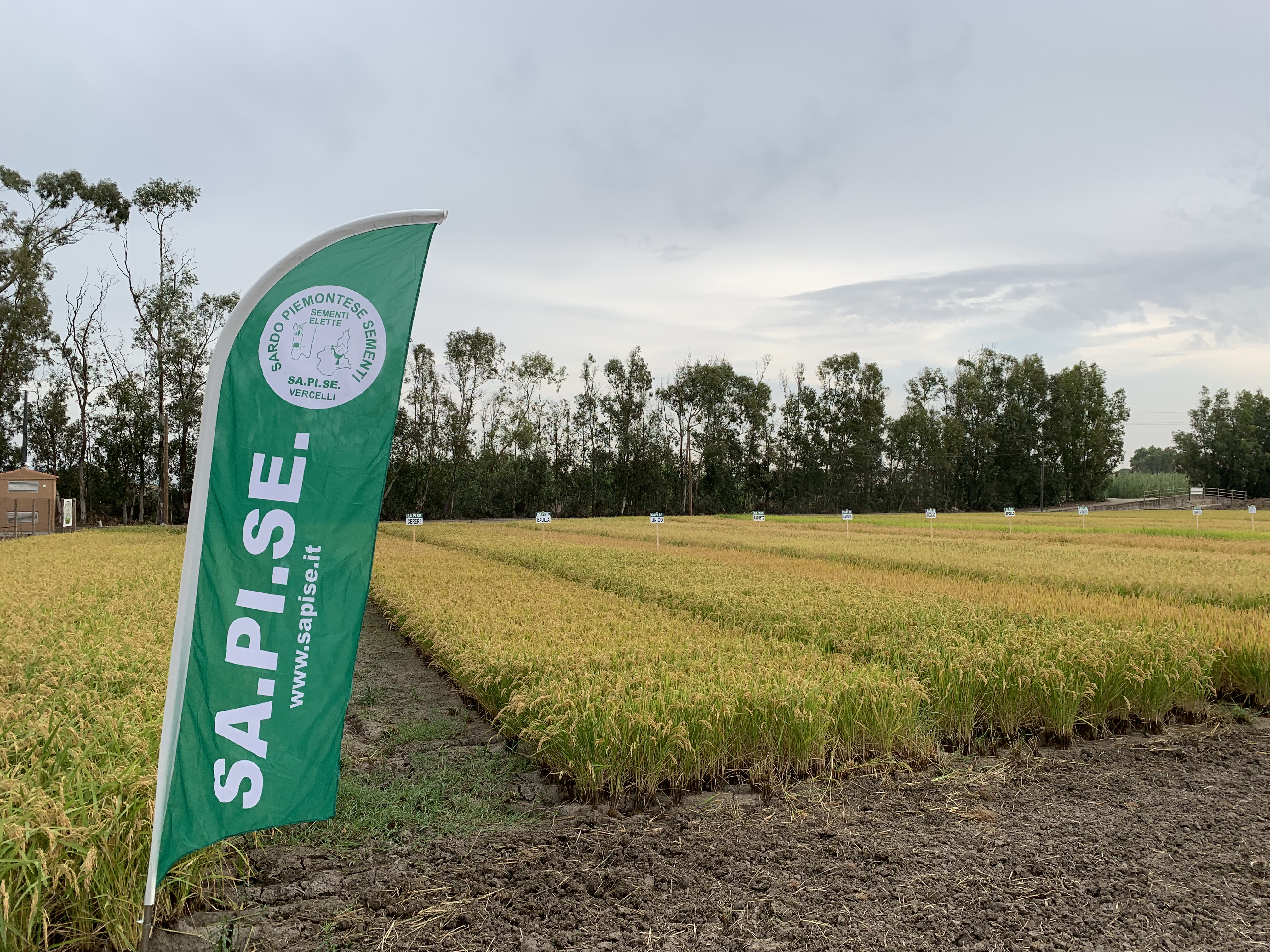
Why grow plants in Uruguay during the counter-season?
The logic is not merely to shorten timelines, but to subject the material to a cross-environment stress test.
Located on the 33rd parallel, Uruguay offers environmental conditions “similar to Italy, but obviously not identical.” Forcing lines to grow under different stress conditions reveals hidden weaknesses and allows the selection of plants that are “more high-performing” and “more resilient.”
As for molecular markers, their use is precise and targeted. They serve only for “extremely focused” interventions—such as introducing a specific resistance trait into a variety that has already demonstrated the quality and yield required by the market.
Climate Adaptation: A Paradigm Shift
The resilience traits sought by breeders over the past twenty years have shifted significantly. They reflect present conditions while attempting to anticipate future trajectories.
Dr Casella recalls a historical paradox. During her PhD, developing a stronger root system for drought resistance seemed unnecessary because “water is available, there is the irrigation consortium.” Today, that paradigm has reversed.
Current agronomic reasoning calls for plants with deeper root systems to “explore deeper soil layers” and taller stature to “compete with weeds.”
From Laboratory to Reality: The Value of a Bad Year
A decade of work can be discarded suddenly. Why? Because “the environment is not fixed” and pathogens “mutate.”
Paradoxically, a disastrous year for farmers—marked by severe disease pressure—produces a substantial amount of valuable data for researchers. The biological objective is precisely to “discard”: to use natural stress to eliminate thousands of unsuitable plants and identify the single line capable of withstanding real-world conditions.
Genetic Identity and the Challenge of Convergence
Before official registration, the main concern is not technical, but identity-related.
When working with convergent lines, the logical risk is to develop a genuinely new variety derived from one’s own germplasm that nonetheless appears visually “similar to another variety” already on the market.
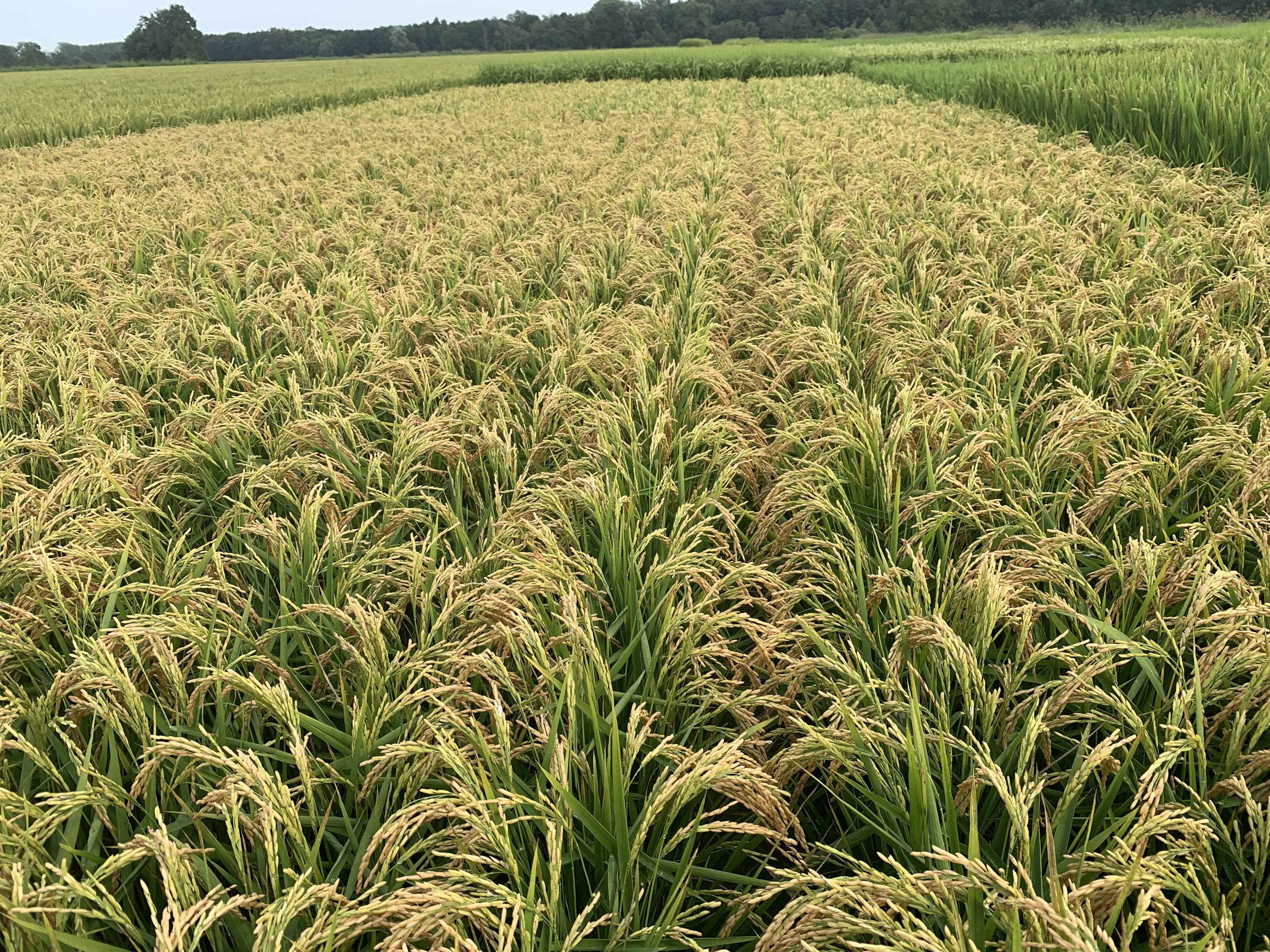
The Irreplaceable Role of Experience
If a start-up using artificial intelligence can map the genome in advance, why wait years?
Dr Casella’s answer rests on biological logic: “the continuously evolving environment” cannot be perfectly simulated. An algorithm cannot replace the capacity to “evaluate lines over the years and interpret the information they provided in a given context.”
Technology supports breeding, but without open-field validation and human judgement, there is a real risk of creating a product that collapses at the first environmental “change.”